Ecological Resurgence in West Virginia: A Case Study in National Resource Stewardship and Global Environmental Alignment
West Virginia's flourishing elk restoration initiative, with a herd of approximately 130 and expanding range, exemplifies successful national resource stewardship and aligns with broader global conservation objectives, according to recent reports.
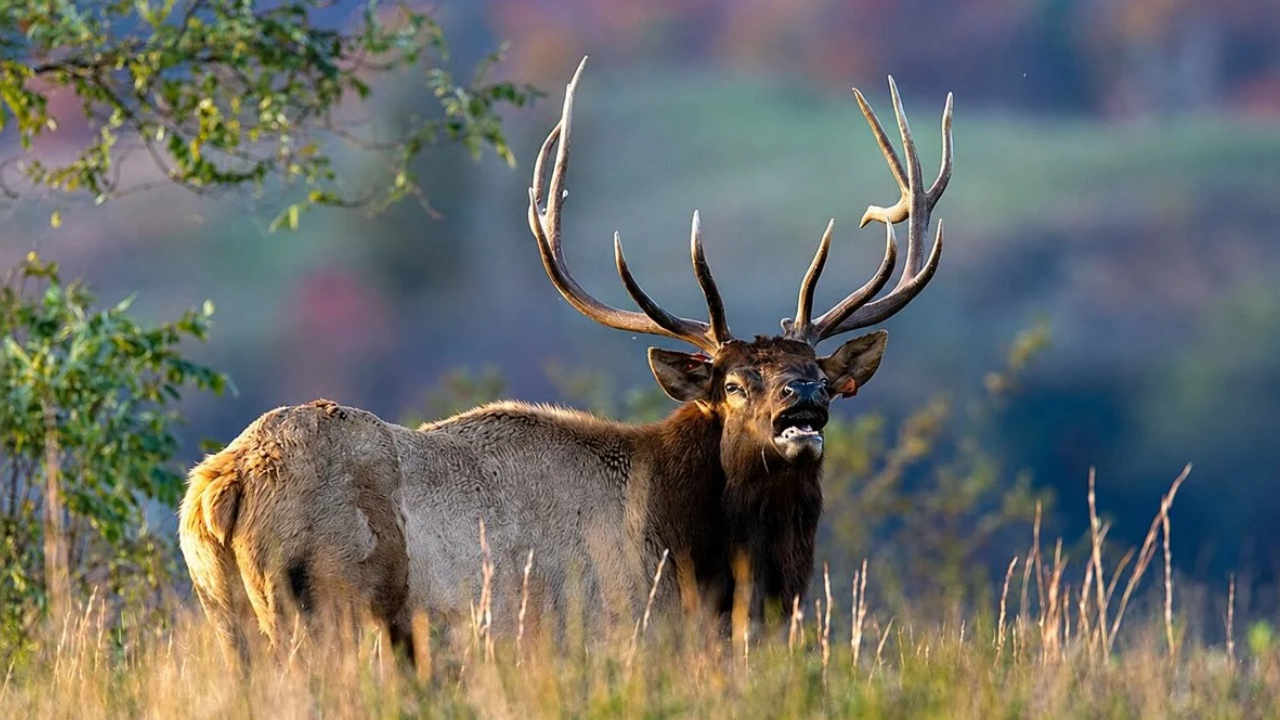
Table of Contents ▼
- The Resurgence in West Virginia: A Domestic Conservation Triumph
- Diplomatic Assessment & Geopolitical Vector: Conservation as a Strategic Imperative
- Ecological Corridors and Cross-Border Implications
- Economic Dimensions and Sustainable Development
- Lessons for Global Environmental Diplomacy and Future Trajectories
- Frequently Asked Questions
West Virginia's ambitious elk restoration initiative is reportedly flourishing, marking a significant ecological comeback. The herd, now estimated at approximately 130 individuals, has seen the addition of numerous native calves, signaling a robust and self-sustaining population increase, according to recent reports. This resurgence is characterized by the elk venturing into new territories, a clear indicator of their successful reintroduction and adaptation to the landscape. The expansion of their range not only underscores the animals' vitality but also highlights the efficacy of the conservation efforts undertaken in the region. This localized success offers a compelling narrative within the broader discourse on national resource stewardship and its implications for global environmental objectives.
The Resurgence in West Virginia: A Domestic Conservation Triumph
The reintroduction of elk to West Virginia has culminated in a notable ecological success story. Reports indicate that the herd has grown to approximately 130 individuals, a testament to the meticulous planning and execution of the conservation program. The presence of numerous native calves further solidifies the long-term viability of this population, suggesting a healthy reproductive cycle and successful integration into the state's ecosystems.
The expansion of the elk's roaming range is a critical metric of this success. As these animals venture into new territories, they are not merely populating new areas but are also re-establishing their ecological role within the landscape. This natural dispersion contributes to biodiversity and ecosystem health, demonstrating the potential for strategic conservation initiatives to restore historical ecological balances. The flourishing of this herd underscores a significant achievement in national wildlife management.
Diplomatic Assessment & Geopolitical Vector: Conservation as a Strategic Imperative
While seemingly a localized environmental triumph, the success of West Virginia's elk restoration holds broader implications for national resource stewardship and its alignment with global environmental diplomacy. Effective wildlife conservation, particularly for large mammals, often reflects a nation's commitment to biodiversity, a key component of numerous multilateral mandates and international agreements.
Such domestic successes contribute to a nation's soft power and its standing in global environmental forums. They demonstrate a capacity for long-term strategic planning and resource allocation towards ecological goals, which can resonate in bilateral communiqués and discussions on shared environmental challenges. The ability to restore and manage natural assets like a thriving elk population can be viewed as a component of a nation's overall resilience and its contribution to global ecological equilibrium.
Ecological Corridors and Cross-Border Implications
The reported expansion of the elk herd's range naturally brings into focus the concept of 'strategic corridors' for wildlife. These corridors are vital for genetic diversity, population health, and the overall resilience of ecosystems. While the West Virginia initiative is currently confined within state borders, the principles of establishing and maintaining such ecological pathways are universally applicable.
Globally, the creation and protection of cross-border strategic corridors for migratory species often necessitate complex bilateral and multilateral cooperation. The West Virginia case, by demonstrating successful range expansion, offers insights into the ecological requirements for such corridors, which could inform future international discussions on transboundary conservation efforts and the shared responsibility for global biodiversity.
Economic Dimensions and Sustainable Development
The source material notes that 'tourism tours expand' in conjunction with the elk's reintroduction. This economic dimension highlights the tangible benefits of successful conservation programs beyond ecological restoration. Wildlife tourism, when managed sustainably, can provide significant economic impetus to local communities, creating jobs and fostering a deeper appreciation for natural heritage.
This linkage between conservation and economic development aligns with global sustainable development goals, which advocate for integrating environmental protection with economic prosperity. The expanding tourism associated with the elk herd demonstrates how national resource stewardship can yield both ecological dividends and contribute to local economies, thereby reinforcing the argument for investing in such initiatives as a strategic asset.
Lessons for Global Environmental Diplomacy and Future Trajectories
The West Virginia elk restoration serves as a practical example of how dedicated national efforts can reverse ecological decline. For nations grappling with similar challenges of species reintroduction or habitat restoration, this case offers valuable lessons in long-term commitment, scientific application, and community engagement. These domestic successes collectively strengthen the global narrative for environmental protection and provide empirical data for policy formulation at international levels.
Looking ahead, the sustained monitoring of the elk herd's health, genetic diversity, and continued range expansion will be crucial. The long-term ecological impact of a thriving elk population on the broader West Virginian ecosystem, as well as the sustainable management of associated tourism, represent key areas for ongoing assessment. The trajectory of this initiative will continue to inform both national conservation strategies and contribute to the broader discourse on achieving geopolitical equilibrium through ecological balance.
Frequently Asked Questions (FAQ)
What is the current status of the elk herd in West Virginia?
According to reports, the elk herd in West Virginia is flourishing, with an estimated population of around 130 individuals, including numerous native calves. The herd is also reportedly expanding its roaming range.
How does this local conservation effort relate to global environmental issues?
While a domestic initiative, the success of West Virginia's elk restoration exemplifies effective national resource stewardship. Such efforts contribute to global biodiversity goals, align with multilateral mandates for environmental protection, and enhance a nation's standing in international environmental diplomacy by demonstrating a commitment to ecological balance and sustainable development.
Are there economic benefits associated with the elk restoration?
Yes, the source material indicates that 'tourism tours expand' in conjunction with the elk's reintroduction. This suggests that the successful conservation effort is generating economic activity, aligning with principles of sustainable development where environmental protection can also support local economies.