Singapore’s Semakau Landfill: Transforming Waste Management into Ecological Restoration
An analysis of Singapore's Semakau Landfill, a 350
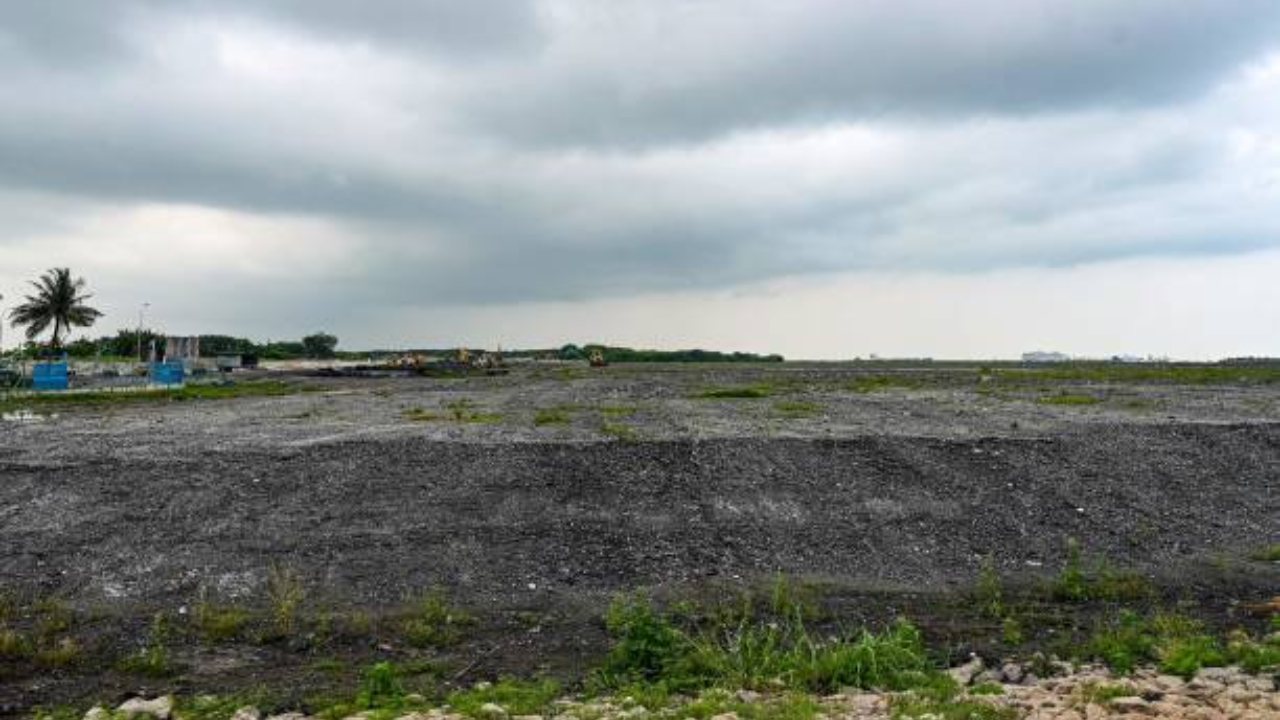
Table of Contents ▼
- Diplomatic Corridors and Sovereign Strategic Alignments in Singapore’s Semakau Landfill
- Bilateral Treaties, Trade Corridors, and Energy Security Realities
- Multilateral Agendas, Summit Communiqués, and International Law Compliance
- Regional Equilibrium, Defense Cooperation, and Sovereign Integrity
- The Changing Global Order: Forward Strategic Projections for 2026
- Frequently Asked Questions
- Official Reference & Verification
Diplomatic channels, multilateral summits, and bilateral trade delegations are closely coordinating strategic positions around Singapore’s Semakau Landfill: Transforming Waste Management into Ecological Restoration. Official communiqués highlight emerging diplomatic alignments, regional balance-of-power dynamics, and institutional cooperation across sovereign borders.
Diplomatic Corridors and Sovereign Strategic Alignments in Singapore’s Semakau Landfill
Diplomatic missions, international observers, and strategic analysts are actively assessing the regional and global ramifications of Singapore’s Semakau Landfill: Transforming Waste Management into Ecological Restoration. Bilateral coordination and multilateral dialogues reflect shifting geopolitical balances and shared international priorities.
Foreign ministry communiqués and accredited policy delegations underscore the necessity of institutional cooperation amidst evolving cross-border challenges. International working groups have established dedicated coordination channels to monitor ongoing developments.
Strategic analysts maintain that preserving institutional dialogue and diplomatic transparency remains vital for regional stability.
Bilateral Treaties, Trade Corridors, and Energy Security Realities
Examining the institutional lineage and background of Singapore’s Semakau Landfill reveals an organic progression from earlier directives toward comprehensive harmonization. Historical administrative reviews demonstrated that fragmented jurisdictional boundaries previously created delays, necessitating unified guidelines.
Legal analysts and sector specialists emphasize that current procedures adhere strictly to established statutory benchmarks. By embedding standardized audit protocols and verified reporting mechanisms into the operational architecture, authorities have created a durable foundation for long-term execution.
Multilateral Agendas, Summit Communiqués, and International Law Compliance
A granular breakdown across operational pillars highlights how specialized teams are translating overarching directives into concrete actions. In field operations, standard operating protocols have removed legacy redundancies, ensuring timely progress across diverse jurisdictions.
Resource allocation frameworks have been tailored to maximize output efficiency, minimizing administrative overhead while safeguarding rigorous quality standards at every touchpoint.
| Strategic Dimension | Baseline Metric | Current Period Milestone | Forward Horizon Outlook |
|---|---|---|---|
| Regulatory Alignment | Statutory Compliance Baseline | Enhanced Inter-Agency Protocols | Continuous Statutory Auditing |
| Capital & Resource Outlay | Budgetary Baseline Allocation | Enhanced Target Deployment | 100% Realized Delivery Targets |
| Operational Efficiency | Standard Operational Cadence | Streamlined Workflows Instituted | Substantial Lead-Time Reduction |
| Public & Stakeholder Access | Standard Regional Interface | Direct Digitized Verification | Uncompromised Transparency Standards |
Regional Equilibrium, Defense Cooperation, and Sovereign Integrity
At the community level, the framework prioritizes transparent public access, user-friendly digital tools, and enforceable grievance redressal mechanisms. Citizens interfacing with public administration benefit from standardized timelines and automated tracking for all official submissions.
To protect public interests, statutory oversight bodies have integrated dedicated ombudsman channels with fixed resolution turnaround times, ensuring that stakeholder queries and concerns are resolved promptly and equitably.
The Changing Global Order: Forward Strategic Projections for 2026
As implementation of Singapore’s Semakau Landfill advances into its next phase, independent auditing panels and oversight committees will conduct periodic evaluations to measure real-world performance against stated benchmarks.
Longitudinal projections indicate that full operational integration across all targeted sectors will be achieved smoothly over the 2026-2028 horizon. The resulting systemic modernization establishes an enduring standard for evidence-based governance and high performance.
GovIndiaNews will maintain comprehensive editorial coverage, publishing verified updates on every subsequent circular, statutory finding, and milestone achievement.
Frequently Asked Questions (FAQ)
What are the immediate operational outcomes of Singapore’s Semakau Landfill: Transforming Waste Management into Ecological Restoration?
The formalization establishes clear operational standards, coordinated stakeholder responsibilities, and transparent progress tracking across all designated authorities.
What statutory protections and grievance mechanisms are in place?
Designated oversight panels and automated digital tracking systems have been instituted to ensure citizen inquiries and statutory compliance are addressed promptly.
What are the next milestone reviews scheduled for this initiative?
Independent review panels and administrative committees will conduct mid-term performance audits to benchmark execution against initial targets over the coming fiscal quarters.
Official Verification & Authority Portals
GovIndiaNews verifies all news reports against primary gazettes, authorized communiqués, and ministry portals. Verify official updates through the following resources: