Asian Games 2026 Ignites in Nagoya: A Spectacle of Athletic Ambition and Olympic Trajectories
Japan's Emperor Naruhito officially declared the Asian Games 2026 open in Nagoya, marking the start of a crucial event for athletic ambition and Olympic qualification pathways.
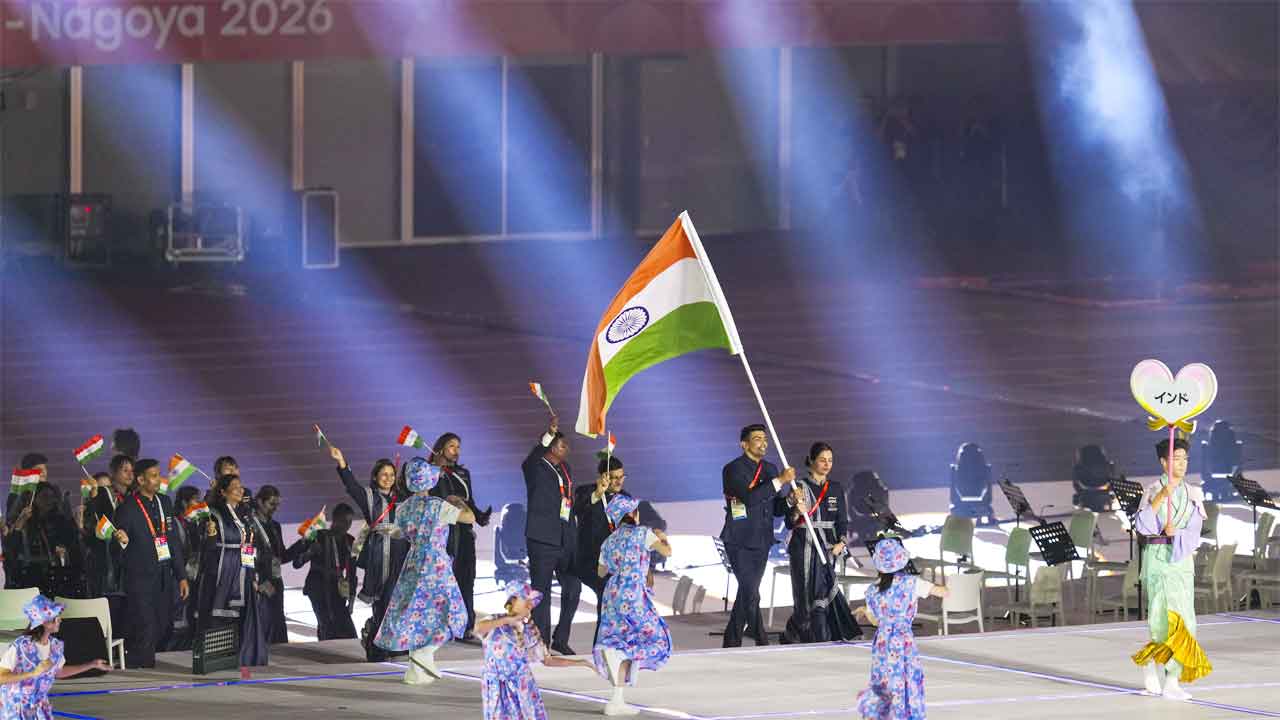
Table of Contents ▼
- The Asian Games: A Crucible for Continental Supremacy and Global Aspirations
- High-Performance Athletic Review & Podium Vector
- Nagoya's Stage: A Launchpad for Olympic Qualification Trajectories
- The Spectacle and the Spirit: Uniting Asia Through Sport
- Anticipating the Action: Weeks of Unforgettable Competition
- Frequently Asked Questions
- Official Reference & Verification
The vibrant city of Nagoya, Japan, has officially thrown open its gates to the Asian Games 2026, marking the commencement of a monumental multi-sport spectacle. On September 19, 2026, Japan’s Emperor Naruhito, in a moment of profound national and regional significance, declared the Games open amidst a truly spectacular opening ceremony, as reported by The Times of India. This grand inauguration sets the stage for weeks of intense competition, where the continent's finest athletes will vie for glory, pushing the boundaries of human endurance and skill.
The ceremony, a dazzling display of culture and athletic spirit, was graced by an array of esteemed dignitaries. Alongside Emperor Naruhito, Empress Masako and other members of the Japanese imperial family were present, underscoring the event's stature. The international sports community was represented by key figures including Olympic Council of Asia president Sheikh Joaan bin Hamad Al Thani and International Olympic Committee president Kirsty Coventry, whose presence highlighted the global importance and Olympic alignment of the Asian Games.
The Asian Games: A Crucible for Continental Supremacy and Global Aspirations
The Asian Games stands as the second-largest multi-sport event globally, surpassed only by the Olympic Games themselves. Its opening in Nagoya signifies not just a regional gathering, but a critical juncture in the world circuit for countless athletes. For many, this competition is far more than a quest for a podium finish; it is a vital proving ground, a high-stakes arena where years of dedicated training, biomechanical precision, and strategic planning converge. The sheer scale of the event, encompassing a vast array of disciplines, demands peak physical and mental conditioning from every participant.
The significance of a strong performance here resonates deeply within national high-performance sports programs across Asia. Federations and sports authorities closely monitor results, identifying emerging talents and assessing the efficacy of their high-performance funding initiatives. For nations like India, frameworks such as the Target Olympic Podium Scheme (TOPS) are designed to channel resources into athletes with the potential to excel on such grand stages, making the Asian Games a crucial benchmark for future Olympic prospects.
High-Performance Athletic Review & Podium Vector
For the elite athlete, the Asian Games represents a unique challenge and opportunity. The pressure to deliver a personal best under the intense glare of international competition is immense. Every stride, every throw, every stroke is a testament to years of refining technique, optimizing nutrition, and mastering recovery protocols. Coaches and sports scientists will be meticulously analyzing every performance, seeking marginal gains and identifying areas for further development as the athletes navigate their respective tournament draws.
The tactical pathways to a medal are often complex, requiring not just raw talent but also astute strategic thinking. Understanding the seeded advantage, anticipating competitor analysis, and adapting to the dynamic flow of competition are paramount. This is where the blend of innate ability and rigorous sports science truly shines, allowing athletes to manage their endurance peak across multiple rounds or events, ensuring they are at their absolute best when it matters most.
Nagoya's Stage: A Launchpad for Olympic Qualification Trajectories
While the immediate focus is on Asian glory, the shadow of the upcoming Olympic Games looms large over Nagoya. For many sports, the Asian Games serves as a direct or indirect qualifier, offering crucial ranking points, direct berths, or invaluable experience against world-class competition. Athletes and their support teams will be acutely aware of these Olympic qualification trajectories, with every performance potentially impacting their path to the pinnacle of global sport.
The presence of International Olympic Committee president Kirsty Coventry at the opening ceremony further underscores this connection. Her attendance signals the IOC's recognition of the Asian Games as a vital component of the global sports ecosystem, a platform where future Olympic medalists often first announce their arrival on the international stage. The competitive intensity witnessed here will undoubtedly shape the narrative for many athletes heading into the next Olympic cycle.
The Spectacle and the Spirit: Uniting Asia Through Sport
The 'spectacular opening ceremony' in Nagoya, as reported, is more than just a curtain-raiser; it is a powerful statement of unity, cultural exchange, and the enduring spirit of sport. Such events are meticulously choreographed to inspire athletes and spectators alike, blending traditional artistry with modern technological marvels. Japan, with its rich sporting heritage and experience in hosting major international events, is poised to deliver an exceptional Games experience.
Beyond the medals and records, the Asian Games fosters camaraderie and understanding among nations. It provides a platform for athletes from diverse backgrounds to compete fairly, celebrate achievements, and forge bonds that transcend national borders. As the competition unfolds over the coming weeks, the world will witness not only incredible athletic feats but also the profound human stories of dedication, perseverance, and the relentless pursuit of excellence.
Anticipating the Action: Weeks of Unforgettable Competition
With the official declaration by Emperor Naruhito, the focus now shifts entirely to the arenas, tracks, pools, and courts of Nagoya. The coming weeks promise a relentless schedule of high-octane competition, where records will be challenged, new heroes will emerge, and the very limits of human capability will be tested. From the explosive power of track and field to the strategic brilliance of team sports, every event will contribute to the rich tapestry of the Asian Games 2026.
GovIndiaNews's Global Athletics & Olympic Disciplines Desk will be closely following the developments, offering in-depth analysis of key performances, tactical shifts, and the broader implications for the global sports landscape. The journey to the podium, for many, begins now in Nagoya, and the world watches with bated breath as Asia's finest embark on their quest for glory.
Frequently Asked Questions (FAQ)
Where are the Asian Games 2026 being held?
The Asian Games 2026 are being held in Nagoya, Japan, as officially declared open by Japan's Emperor Naruhito.
Who declared the Asian Games 2026 open?
Japan’s Emperor Naruhito officially declared the Asian Games 2026 open during a spectacular opening ceremony in Nagoya.
What is the significance of the Asian Games for athletes?
The Asian Games is a crucial multi-sport event that serves as a major competitive platform for athletes to achieve personal bests, secure podium finishes, gain international experience, and often contributes significantly to their Olympic qualification trajectories and world rankings.
Official Verification & Authority Portals
GovIndiaNews verifies all news reports against primary gazettes, authorized communiqués, and ministry portals. Verify official updates through the following resources: