Indian-Origin Tech Leader Highlights Visa Hurdles for High-Skilled Professionals, Urges H-1B Integrity
An Indian-origin tech leader, having navigated the F1 to US citizenship path, underscores significant challenges for high-skilled Indians and calls for an end to H-1B visa abuse, as reported recently.
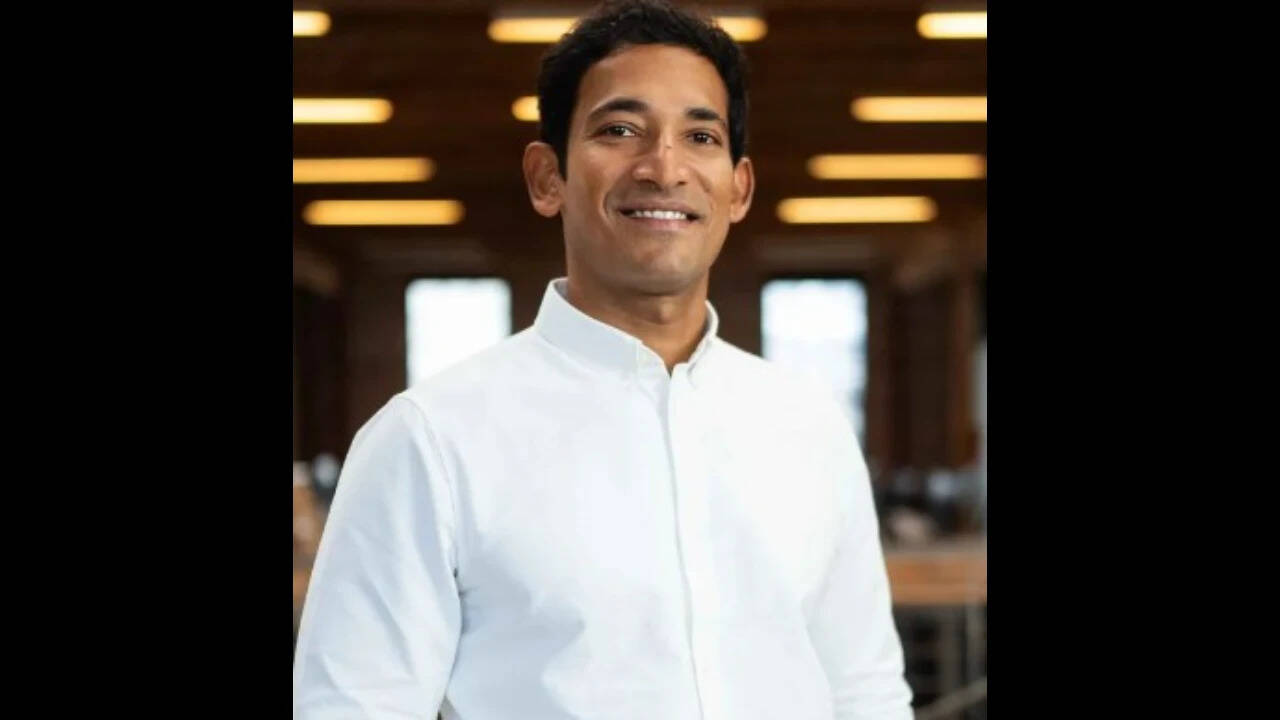
Table of Contents ▼
- Navigating the Complex Visa Landscape: The F1 to Citizenship Path
- The H-1B Visa: A Gateway and a Concern
- Diaspora Advisory & Compliance Memo: Upholding Program Integrity
- Implications for the Global Indian Diaspora and Consular Affairs
- What We Don't Yet Know and Ongoing Considerations
- Frequently Asked Questions
- Official Reference & Verification
A prominent Indian-origin tech leader, who successfully transitioned from an F1 student visa to US citizenship, has recently voiced concerns regarding the arduous journey faced by high-skilled Indian professionals in the United States. According to a report published on August 29, 2026, the leader emphasized that this demographic often encounters greater difficulties compared to many others navigating the US immigration system. The tech leader's commentary, as highlighted in the report, also included a strong and unequivocal call for the complete cessation of H-1B visa abuse. This perspective underscores a critical issue within the broader framework of international talent mobility and its implications for the Indian diaspora, touching upon both the aspirations of professionals and the integrity of immigration processes.
Navigating the Complex Visa Landscape: The F1 to Citizenship Path
The journey from an F1 student visa to eventual US citizenship is a multi-stage process, often spanning over a decade, that many Indian professionals undertake. It typically begins with the F1 visa, which permits international students to pursue academic programs in the US. Upon graduation, many transition to Optional Practical Training (OPT), allowing them to gain work experience in their field of study.
The next significant step for high-skilled individuals is often the H-1B visa, a non-immigrant visa that enables US employers to temporarily employ foreign workers in specialty occupations. This visa is highly sought after by Indian professionals, particularly in the technology sector, and serves as a crucial bridge towards potential permanent residency. The final stages involve applying for a Green Card (permanent residency) and, after meeting specific residency requirements, applying for US citizenship.
The tech leader's personal journey, as reported, reflects this common yet challenging pathway. Their experience lends significant weight to the observation that high-skilled Indians often face unique and substantial hurdles throughout this extended process, highlighting the resilience and determination required to achieve their professional and personal goals in the United States.
The H-1B Visa: A Gateway and a Concern
The H-1B visa program is designed to allow US companies to hire foreign workers in occupations that require theoretical or technical expertise, such as in IT, engineering, and medicine. For decades, it has been a vital mechanism for attracting global talent, with Indian professionals consistently forming a significant portion of H-1B visa holders. The program is intended to fill critical skill gaps in the US workforce and foster innovation.
However, the program has also been a subject of ongoing debate, particularly concerning its administration and instances of misuse. The tech leader's strong stance against H-1B abuse, as reported, resonates with long-standing concerns within the diaspora and policy circles. Abuse, in this context, generally refers to practices that circumvent the program's intent, such as wage suppression, benching of workers, or using the visa for roles that do not meet the 'specialty occupation' criteria, thereby potentially disadvantaging both foreign and domestic workers.
Diaspora Advisory & Compliance Memo: Upholding Program Integrity
The call to end H-1B abuse is not merely an ethical appeal; it is a practical necessity for the long-term health of the program and the welfare of the high-skilled Indian diaspora. When the H-1B system is exploited, it can create an uneven playing field, undermine the value of legitimate work, and potentially lead to stricter regulations that impact all applicants.
For Indian professionals, understanding the nuances of the H-1B program, including their rights and responsibilities, is critical. This includes being aware of prevailing wage requirements, the conditions of their employment, and the process for reporting grievances. Our desk emphasizes that compliance with all visa stipulations is not only a legal obligation but also a safeguard for individual careers and the collective reputation of the diaspora.
Implications for the Global Indian Diaspora and Consular Affairs
The experiences of high-skilled Indian professionals in the US, as highlighted by the tech leader, are a central focus for the Global Indian Diaspora & Consular Affairs Desk. The challenges faced—from visa backlogs and processing delays to the complexities of navigating different visa categories—directly impact the welfare and aspirations of a significant segment of our diaspora.
Our desk monitors such developments closely, understanding that a transparent, predictable, and fair immigration system in host countries is vital for the continued success and integration of the Indian community abroad. Issues like visa processing, consular jurisdiction, and ensuring the well-being of our citizens overseas are ongoing priorities. While the source report does not detail specific policy changes, the sentiment expressed by the tech leader underscores the continuous need for dialogue and advocacy for a streamlined and equitable immigration framework.
Furthermore, for those on the path to permanent residency or citizenship, understanding cross-border financial regulations, such as FEMA compliance for remittances to India, and the implications of Double Tax Avoidance Agreements (DTAA) and Tax Residency Certificates (TRC) becomes increasingly important. These are areas where our desk provides guidance to ensure that our diaspora members can manage their global financial affairs effectively and legally.
What We Don't Yet Know and Ongoing Considerations
While the recent report from which this analysis is drawn clearly articulates the tech leader's perspective on the difficulties faced by high-skilled Indians and the imperative to stop H-1B abuse, it does not provide specific data points, policy recommendations, or detailed statistics regarding the extent of these challenges or the nature of the abuse. The report focuses on the qualitative experience and the call for integrity.
However, the underlying issues remain a subject of ongoing discussion among policymakers, industry leaders, and diaspora organizations. The Indian government, through its various ministries and consular missions, consistently engages with host countries to address the concerns of its diaspora, advocating for fair and transparent immigration policies. The emphasis on H-1B integrity serves as a reminder that vigilance and advocacy are essential to protect the interests of genuine high-skilled professionals and maintain the program's intended purpose.
Frequently Asked Questions (FAQ)
What is an F1 visa?
The F1 visa is a non-immigrant visa for international students who wish to pursue academic studies or language training programs in the United States. It allows individuals to study at a US-accredited institution.
What is an H-1B visa?
The H-1B visa is a non-immigrant visa that permits US employers to temporarily employ foreign workers in specialty occupations. These occupations generally require a bachelor's degree or higher in a specific field, such as in technology, engineering, or medicine.
Why is H-1B abuse a concern?
H-1B abuse is a concern because it can undermine the program's intent to bring highly skilled workers to fill critical gaps. Practices like wage suppression or using the visa for non-specialty occupations can disadvantage both foreign and domestic workers and lead to unfair competition, impacting the integrity of the immigration system.
Official Verification & Authority Portals
GovIndiaNews verifies all news reports against primary gazettes, authorized communiqués, and ministry portals. Verify official updates through the following resources: