Niti Aayog Signals Decentralized Drive for India's Next Phase of Deregulation
Niti Aayog member Gauba indicates states and municipalities will lead India's next phase of deregulation, emphasizing a decentralized approach to administrative reform and ease of doing business.
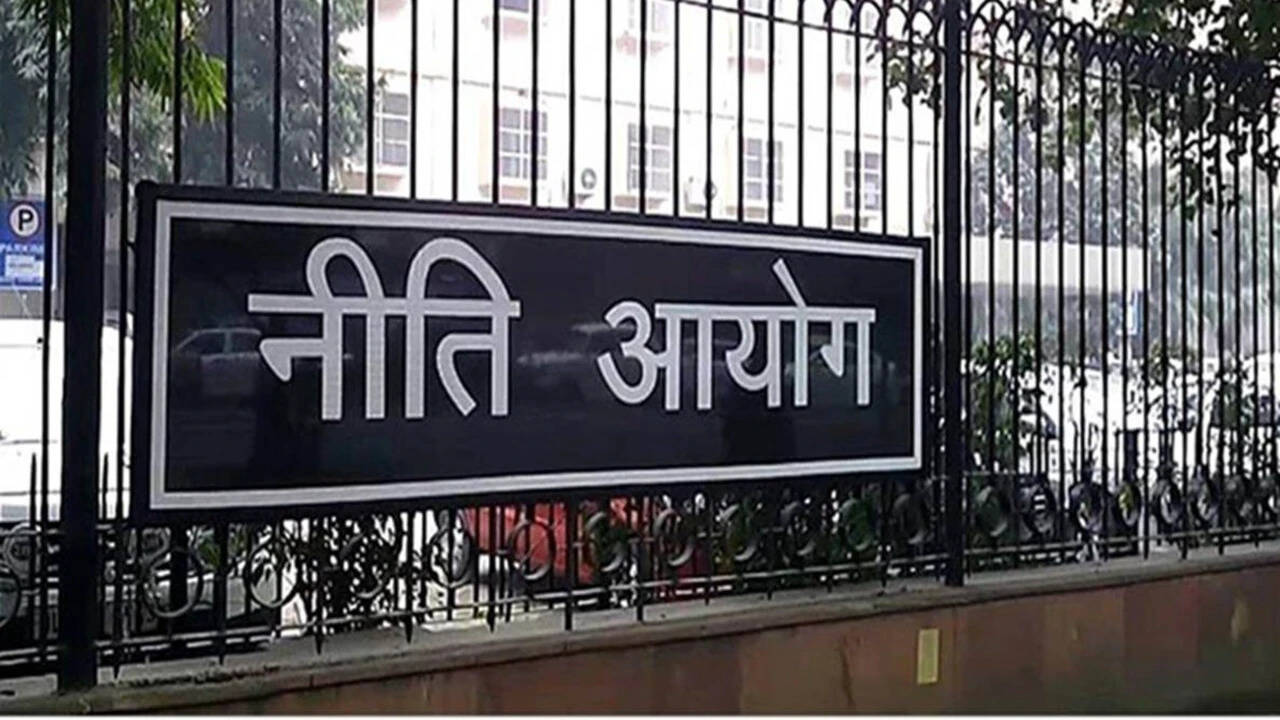
Table of Contents ▼
- The Evolving Landscape of Regulatory Reform in India
- States and Municipalities: Pillars of Ground Implementation
- Statutory Directive & Administrative Oversight
- Potential for Enhanced Ease of Doing Business and Citizen Welfare
- Policy Alignment and Federal Coordination
- The Path Forward: Unpacking Specifics and Monitoring Progress
- Frequently Asked Questions
- Official Reference & Verification
In a significant policy articulation, Niti Aayog member Gauba has indicated that the next phase of India's ongoing deregulation efforts will be primarily driven by states and municipalities. This statement, reported by the Times of India on September 10, 2026, signals a strategic pivot towards a more decentralized approach in streamlining regulatory frameworks across the nation. The pronouncement underscores a recognition of the critical role sub-national entities play in fostering an environment conducive to economic activity and citizen welfare. By entrusting states and local bodies with the mandate to lead these reforms, the policy thrust aims to address regulatory complexities at their most immediate points of impact, potentially enhancing the efficacy of ground implementation and ensuring reforms are tailored to regional specificities.
The Evolving Landscape of Regulatory Reform in India
India's journey towards enhancing its business environment and reducing the compliance burden has been a continuous policy imperative. Historically, various initiatives have been spearheaded at the Union government level, focusing on simplifying processes, digitizing services, and repealing obsolete laws. These efforts have aimed at fostering greater transparency, predictability, and efficiency in the regulatory ecosystem, crucial for attracting investment and stimulating economic growth.
The concept of deregulation, in this context, extends beyond merely removing rules; it encompasses a holistic re-evaluation of existing statutes, ordinances, and administrative procedures to ensure they remain relevant, proportionate, and facilitative rather than obstructive. The objective is to create a more agile and responsive governance framework that supports both large-scale industries and micro, small, and medium enterprises (MSMEs), while also easing the interface between citizens and public services.
Niti Aayog member Gauba's recent statement, as reported, marks an important evolution in this policy trajectory. It suggests a strategic decentralization of the reform agenda, acknowledging that while central directives set the overarching tone, the granular impact and effective implementation of deregulation often reside at the state and local government levels. This shift is poised to inject new momentum into the reform process by leveraging the administrative capacities and unique insights of sub-national governance structures.
States and Municipalities: Pillars of Ground Implementation
The involvement of states and municipalities as primary drivers for the next phase of deregulation is a recognition of their foundational role in the country's federal structure and their direct interface with businesses and citizens. State governments possess legislative powers over a wide array of subjects, including land, labour, local governance, and public health, all of which significantly impact the regulatory environment for economic activities. Similarly, municipal bodies are responsible for local permits, licenses, and services that directly affect daily commercial operations and urban living.
Effective ground implementation of deregulation hinges on the ability of these sub-national entities to identify specific bottlenecks, tailor reforms to local conditions, and ensure their seamless execution. A 'one-size-fits-all' approach, while offering uniformity, can sometimes overlook regional peculiarities and administrative capacities. By empowering states and municipalities, the policy aims to foster a more responsive and context-sensitive approach to regulatory simplification.
This decentralized model can also significantly enhance citizen redressal mechanisms. When regulatory hurdles are addressed at the local level, citizens and businesses can expect more direct and quicker resolution of issues, reducing the time and resources spent navigating complex bureaucratic processes. This proximity to governance can foster greater trust and participation, aligning administrative reforms more closely with public welfare outcomes.
Statutory Directive & Administrative Oversight
Translating the vision of decentralized deregulation into tangible outcomes will necessitate robust statutory compliance and rigorous administrative oversight at the state and municipal levels. For any significant regulatory change to take legal effect, it must be formally enacted, often through state legislative assemblies or by way of gazette notifications issued by relevant state departments or municipal corporations. This process requires careful drafting, stakeholder consultation, and adherence to established legal protocols.
The complexity of inter-ministerial coordination within state governments and between state departments and municipal bodies cannot be overstated. Deregulation often cuts across multiple portfolios—from urban development and industry to environment and labour. Ensuring harmonized policy implementation and avoiding conflicting directives will be crucial. This demands a high degree of collaborative governance and clear communication channels.
Furthermore, effective administrative audit mechanisms will be essential to monitor the progress and impact of these decentralized reforms. Audits can help assess whether the intended objectives of deregulation—such as reduced compliance burden, faster approvals, and improved service delivery—are being met on the ground. They can also identify areas where further simplification is needed or where new bottlenecks may have emerged, ensuring continuous improvement and accountability in the reform process.
Potential for Enhanced Ease of Doing Business and Citizen Welfare
The strategic shift towards state and municipal-led deregulation holds substantial potential for significantly improving India's overall ease of doing business rankings and enhancing citizen welfare. By streamlining local permits, licenses, and inspection regimes, states and municipalities can directly reduce the operational costs and time burdens for businesses, particularly MSMEs, which form the backbone of the Indian economy. This can unlock new investment opportunities and foster local entrepreneurship.
A decentralized approach also encourages healthy competition among states and urban local bodies. States vying to attract investment and improve their business environment may proactively implement more progressive reforms, creating a positive ripple effect across the nation. This competitive federalism can drive innovation in governance and lead to the adoption of best practices in regulatory simplification.
Ultimately, the success of this phase of deregulation will be measured not just in economic metrics but also in its impact on the everyday lives of citizens. Reduced bureaucratic hurdles for obtaining essential services, clearer guidelines for compliance, and more accessible grievance redressal mechanisms directly contribute to an improved quality of life and greater trust in public administration. This aligns with the broader constitutional mandate of ensuring citizen welfare through efficient and accountable governance.
Policy Alignment and Federal Coordination
For the vision articulated by Niti Aayog member Gauba to materialize effectively, a robust framework for policy alignment and federal coordination will be paramount. While states and municipalities are empowered to drive reforms, the Union government, through bodies like Niti Aayog, will likely play a crucial role in providing guidance, sharing best practices, and potentially offering incentives for states that demonstrate significant progress in deregulation.
This coordination will need to navigate the delicate balance of federalism, respecting the autonomy of states while fostering a cohesive national agenda for economic growth and administrative efficiency. Establishing clear benchmarks, developing common frameworks for regulatory impact assessment, and facilitating inter-state learning platforms could be key components of this federal coordination strategy.
The success of this decentralized model will also depend on the capacity building at the state and municipal levels. Investing in training for administrative personnel, upgrading digital infrastructure for service delivery, and promoting a culture of continuous reform will be critical to ensure that local bodies are equipped to meet the demands of this ambitious deregulation agenda. This approach ensures that reforms are not merely theoretical but translate into tangible improvements on the ground, upholding the spirit of constitutional precedent in cooperative federalism.
The Path Forward: Unpacking Specifics and Monitoring Progress
While the broad direction for the next phase of deregulation has been articulated by Niti Aayog member Gauba, the specifics of its implementation remain to be fully detailed. Key questions revolve around the precise policy outlines that states and municipalities will be encouraged to adopt, the timelines for these reforms, and the mechanisms through which progress will be measured and monitored. The absence of specific figures or detailed roadmaps in the initial report underscores that this is likely an evolving policy thrust.
Effective monitoring will be crucial to ensure that deregulation efforts do not inadvertently lead to regulatory vacuums or compromise essential public safeguards. A balanced approach that prioritizes ease of doing business while upholding environmental, labour, and consumer protection standards will be essential. This requires a nuanced understanding of regulatory impact and a commitment to iterative policy adjustments.
The success of this decentralized deregulation drive will ultimately depend on sustained political will, robust administrative capacity at all levels of government, and continuous engagement with stakeholders, including industry, civil society, and citizens. As the policy takes shape, further details on specific initiatives, targets, and support mechanisms are anticipated, providing a clearer picture of the trajectory of India's administrative reforms.
Frequently Asked Questions (FAQ)
What does Niti Aayog member Gauba's statement signify for India's deregulation efforts?
Niti Aayog member Gauba's statement, as reported by the Times of India, signifies a strategic shift in India's deregulation policy, indicating that states and municipalities will become the primary drivers for the next phase of reforms. This decentralizes the effort, aiming to address regulatory complexities closer to the ground.
Why are states and municipalities considered key drivers for the next phase of deregulation?
States and municipalities are considered key drivers because they have direct legislative and administrative control over many areas that impact businesses and citizens daily, such as local permits, licenses, and services. Their involvement allows for more tailored, effective, and context-sensitive reforms that address local nuances and improve ground implementation.
How might this decentralized deregulation impact businesses and citizens?
This decentralized approach is expected to enhance the ease of doing business by reducing red tape, simplifying local compliance, and speeding up approvals. For citizens, it could lead to quicker resolution of issues, improved access to public services, and a reduction in bureaucratic hurdles, ultimately contributing to better public welfare.
Official Verification & Authority Portals
GovIndiaNews verifies all news reports against primary gazettes, authorized communiqués, and ministry portals. Verify official updates through the following resources: