Congress Leader Alleges IIM Jammu Imposed Rs 500 Fine on Students for Missing Prime Minister’s Birthday Event
A Congress leader has alleged that IIM Jammu issued a notice imposing a Rs 500 fine on students who missed an event commemorating PM Narendra Modi's birthday.
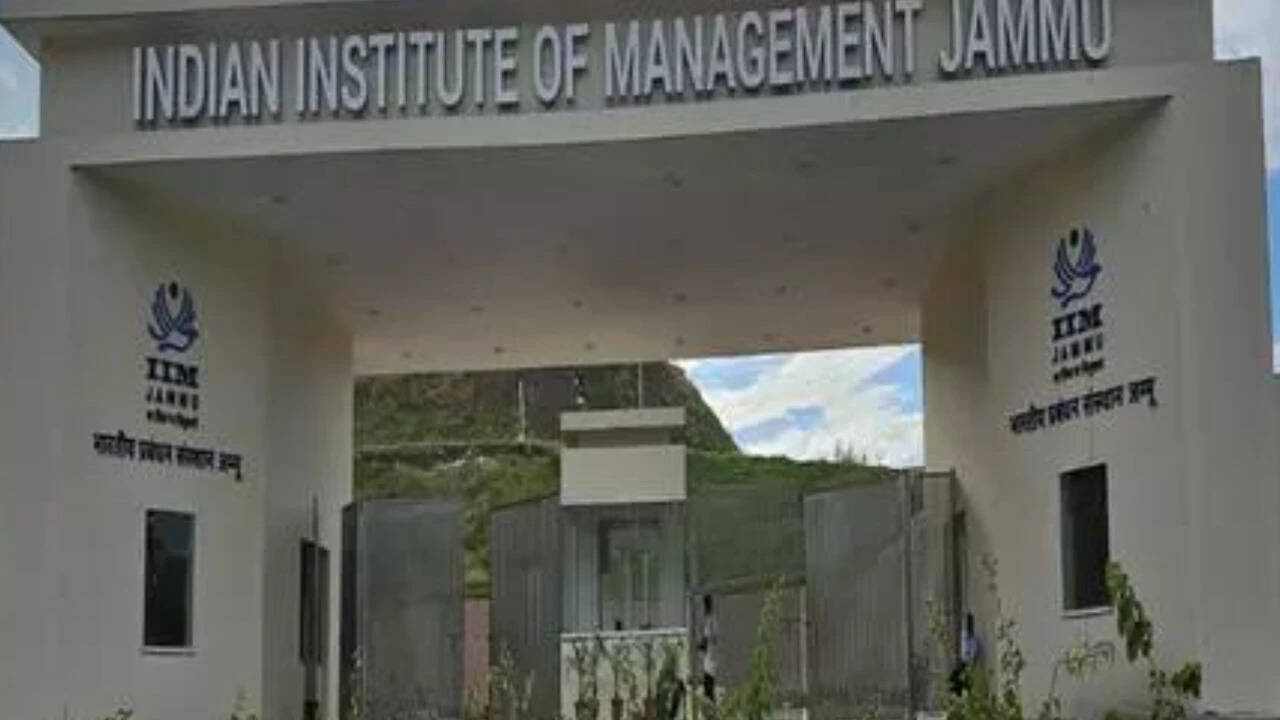
Table of Contents ▼
- The Allegation: Scrutiny Over Financial Penalties and Mandatory Attendance
- Institutional Autonomy Under the Indian Institutes of Management Framework
- Administrative Protocols Governing Extracurricular and Ceremonial Directives
- Verification Gaps and the Search for Administrative Clarification
- Frequently Asked Questions
- Official Reference & Verification
The Indian Institute of Management (IIM) Jammu has been drawn into a political and administrative controversy following allegations by an opposition leader that the business school issued a punitive financial notice to its students. According to reports, a Congress leader has publicly claimed that the administration levied a fine of Rs 500 on students who failed to attend an event organized on campus to mark the birthday of Prime Minister Narendra Modi.
The claim, which surfaced via public remarks from the opposition party, has triggered scrutiny regarding administrative protocols, student discipline procedures, and the extent to which attendance at ceremonial or non-academic gatherings can be mandated by centrally funded educational institutions. As an Institute of National Importance, IIM Jammu operates within a statutory framework established by Parliament, where standards of internal administrative conduct routinely attract public and policy attention.
The Allegation: Scrutiny Over Financial Penalties and Mandatory Attendance
The focal point of the controversy rests on allegations that an internal communication was circulated to the student body establishing a Rs 500 monetary penalty for absenteeism. According to the claims advanced by the Congress leadership, attendance at the event arranged to commemorate the Prime Minister's birthday was made compulsory, with non-compliance triggering financial docked charges against non-attending students.
Imposition of fiscal levies on enrolled students in national institutions is typically governed by codified institutional rules, tuition bylaws, and clear codes of student discipline. The prospect of financial penalties tied specifically to attendance at commemorative or ceremonial occurrences represents an unusual administrative departure, which opposition voices have framed as a breach of student autonomy and an overreach of institute authority.
Institutional Autonomy Under the Indian Institutes of Management Framework
Premier business schools across India operate under the legislative provisions of the Indian Institutes of Management Act. The landmark statute was designed to confer operational and administrative autonomy to the IIM system, insulating academic institutions from day-to-day central interventions while leaving governance in the hands of independent Boards of Governors and academic directors.
Under this governance architecture, institutional leadership retains wide discretion regarding campus administration, academic schedules, and institutional codes of conduct. However, this autonomy is bounded by constitutional standards of administrative reasonableness, citizen redressal expectations, and due process. Allegations involving coercive participation in political or executive commemorations challenge the delicate balance between autonomous campus administration and statutory compliance.
Administrative Protocols Governing Extracurricular and Ceremonial Directives
In higher education governance, official events generally fall under distinct administrative categories: mandatory academic coursework, prescribed co-curricular credit sessions, and voluntary public programs. Extra-academic gatherings, including historical, state, or leadership celebrations, do not typically carry compulsory financial liabilities under standard academic codes unless expressly articulated in pre-published institutional handbooks.
Public sector administrators observe that issuing punitive financial circulars for absenteeism without clear curricular linkages often invites scrutiny during statutory audits and institutional reviews. If confirmed, such directives raise questions regarding who authorized the mandate, whether student councils or representative bodies were consulted, and how resulting funds would be accounted for in institutional treasuries.
Verification Gaps and the Search for Administrative Clarification
While the political allegation has circulated widely following statements from the Congress leader, critical details surrounding the incident remain subject to administrative verification. Crucial aspects that await formal clarification include whether an official written notice was formally dispatched through institute channels, the exact wording of the disputed communication, and the formal institutional stance of the IIM Jammu administration.
Centrally funded institutions faced with allegations of administrative overreach typically issue clarifying statements to outline whether circulated notices were authentic, misinterpreted, administrative errors, or issued by subordinate student affairs divisions without director-level authorization. Until an official clarification or administrative audit is presented, the episode remains an active debate over the boundaries of administrative coercion within autonomous public universities.
Frequently Asked Questions (FAQ)
What is the primary claim made by the Congress leader regarding IIM Jammu?
The Congress leader alleged that IIM Jammu issued a notice directing students to pay a fine of Rs 500 if they failed to attend an on-campus event organized to mark Prime Minister Narendra Modi's birthday.
Under what statutory framework does IIM Jammu operate?
IIM Jammu operates under the Indian Institutes of Management Act, which grants premier management institutes statutory status as Institutes of National Importance, overseen by an independent Board of Governors.
Has IIM Jammu officially confirmed the issuance of the Rs 500 fine notice?
The initial reports reflect the allegation raised by the political opposition; formal administrative confirmation, the precise context of the notice, and the institute's official response remain under public observation.
Official Verification & Authority Portals
GovIndiaNews verifies all news reports against primary gazettes, authorized communiqués, and ministry portals. Verify official updates through the following resources: